Starting a business in India today has become more streamlined due to digital processes and simplified compliance systems. One of the most common ways entrepreneurs formalize their business is through online company registration, which allows founders to incorporate their entity through an entirely digital process on the Ministry of Corporate Affairs portal.
Among different business structures, private limited company registration is one of the most preferred options for startups and growing businesses due to its legal structure, credibility, and scalability. However, before initiating the incorporation process, it is important to understand the key requirements, legal implications, and procedural steps involved.
Understanding the Company Structure
Before proceeding with online company registration, it is essential to choose the right business structure. A private limited company is a separate legal entity registered under the Companies Act, 2013. It offers limited liability protection to its shareholders, meaning personal assets are generally protected from business liabilities.
This structure is suitable for startups that plan to raise investment, expand operations, or build a scalable business model. It also enhances credibility with clients, financial institutions, and investors.
Key Eligibility Requirements
To proceed with private limited company registration, certain basic eligibility conditions must be met:
- A minimum of two directors is required
- At least one director must be a resident of India
- A minimum of two shareholders is required (directors and shareholders can be the same individuals)
- A registered office address in India is mandatory
- Digital Signature Certificate (DSC) and Director Identification Number (DIN) are required for directors
These requirements ensure that the company is formed with proper governance structure from the beginning.
Documents Required for Registration
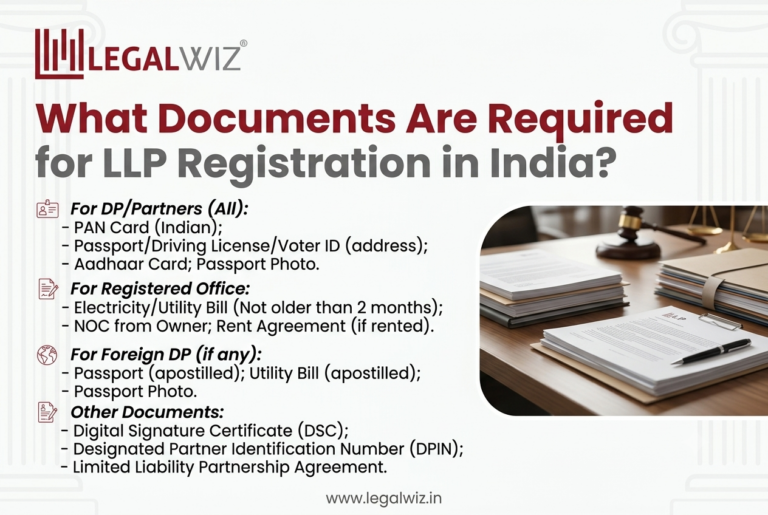
Proper documentation is an important step in the incorporation process. Before starting online company registration, the following documents are generally required:
- PAN card of directors and shareholders
- Aadhaar card or passport for identity verification
- Address proof such as utility bill or bank statement
- Passport-size photographs
- Proof of registered office such as rent agreement or ownership document
- No Objection Certificate from the property owner, if applicable
Ensuring that documents are accurate and up to date helps avoid delays during verification.
Choosing and Reserving a Company Name
One of the early steps in the incorporation process is selecting a suitable company name. The name must comply with the naming guidelines prescribed under the Companies Act, 2013 and should not be identical or similar to existing registered entities or trademarks.
The name is reserved through the RUN (Reserve Unique Name) service or as part of the SPICe+ form during incorporation. It is advisable to choose a name that reflects the nature of business while remaining compliant with regulatory norms.
The Online Registration Process
The process of online company registration is carried out through the MCA portal using integrated forms such as SPICe+ (Simplified Proforma for Incorporating Company Electronically Plus). This form allows multiple services including incorporation, PAN, TAN, and GST registration in a single application.
The General steps include:
- Obtaining DSC for directors
- Applying for name approval
- Filling SPICe+ incorporation form
- Submitting required documents digitally
- Verification by Registrar of Companies (RoC)
- Issuance of Certificate of Incorporation upon approval
Once approved, the company is legally recognized and can begin operations.
Important Considerations Before Applying
While the process of incorporation is digital, careful planning is necessary before initiating private limited company registration. Entrepreneurs should consider:
- Capital structure and shareholding pattern
- Future fundraising requirements
- Compliance obligations such as annual filings and audits
- Cost of maintenance and statutory requirements
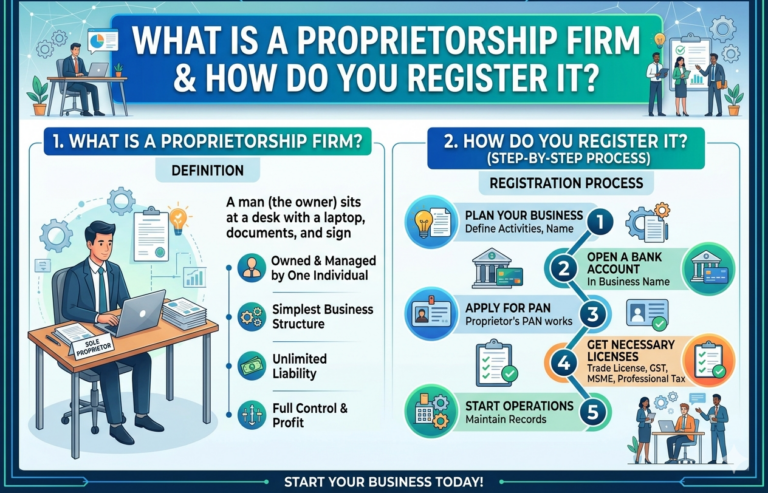
A private limited company involves higher compliance compared to sole proprietorships or partnerships, so it is important to evaluate long-term business needs before choosing this structure.
Conclusion
Understanding the requirements and process of online company registration is essential for any entrepreneur planning to formalize their business. Private limited company registration offers several advantages including limited liability, improved credibility, and growth potential, but it also comes with regulatory responsibilities.
By ensuring proper documentation, legal compliance, and structured planning, businesses can complete incorporation smoothly and build a strong foundation for future growth.