Business law is important to know, whether you are starting a business, expanding into international markets, or running an established business. Business law has a wide range of applications in the world of commerce and business law, affecting everything from contract signing and employee hiring to IP protection and to dispute resolution. Understanding the legal requirements can help businesses make informed decisions to prevent expensive errors and provide a solid base for future expansion.
Legal compliance is even more crucial for companies engaged in global trade. Special care must be taken with international shipping, customs, import/export regulations, and documentation. Companies frequently turn to logistics firms with extensive experience in freight forwarding, customs clearance, and supply chain management, like Visewise, to ensure that their businesses run smoothly and comply with the relevant regulations.
What Is Business Law?
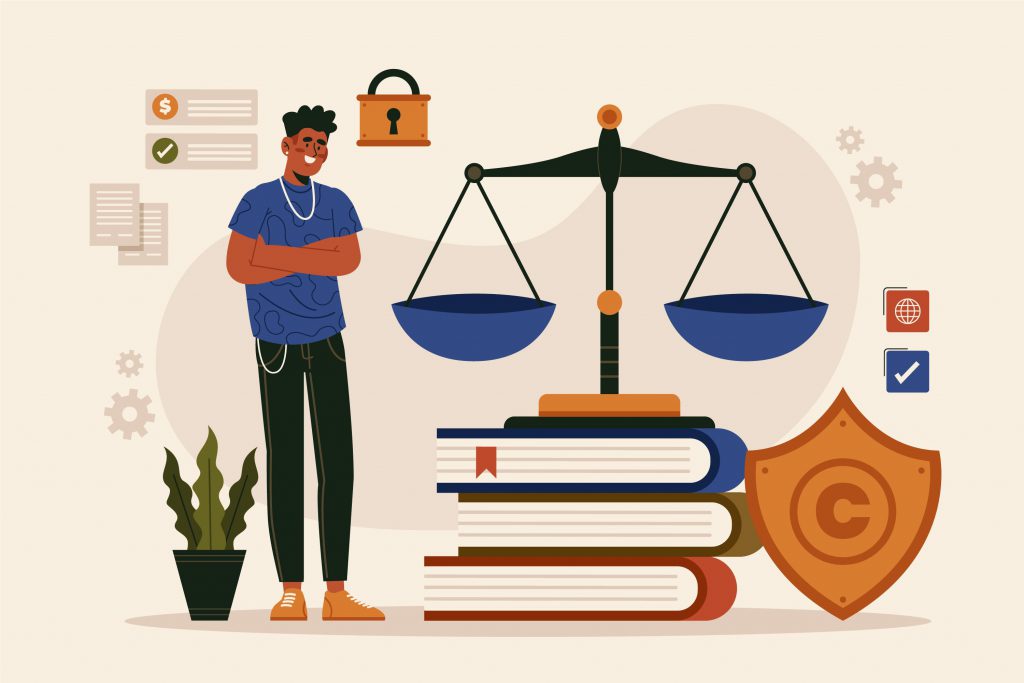
Business law is the area of law that regulates business companies and business activities. It sets out the rights and duties of businesses, owners, employees, customers and suppliers. Regardless of the size of the business, from a sole trader to a large multinational, business law offers the legal structure that enables a business to run fairly and lawfully.
Business law is a wide-ranging discipline that involves a range of topics including contracts, employment law, tax, IP rights, consumer law, corporate governance, and international trade law. As legislation continues to change, businesses need to be alert to ensure that they remain compliant.
Why Is Business Law Important?
Business law has significance because it serves to protect the business and those with whom it comes into contact. With clear legal guidelines, uncertainty is eliminated, ethics are upheld, and disagreements are settled before costly court battles.
If businesses are not aware of the laws, then they might unknowingly infringe on them, resulting in legal penalties, court action, or harm to their reputation. When business owners know business law, they can make confident decisions and reduce legal threats to their business.
How Does Business Law Affect Everyday Business Operations?
Many business owners think legal issues only come up when they have litigation, but business law is involved in all aspects of business activities. The employment of staff, contract negotiations, equipment procurement, assuring customer data, and product marketing all come with legal obligations.
Compliance with local, national, or international regulations is often required for even the simplest business decisions. Customs processes and shipping paperwork introduce additional legal intricacies for businesses doing business across national lines. Businesses that run across borders encounter extra legal complexities within the context of customs procedures and shipping documents. Working with reputable logistics experts can make these processes easier and help businesses stay compliant with international trade regulations.
Why Are Contracts So Important?
In almost all business transactions, contracts are crucial. They make it clear who does what and who pays, when and how, what is kept confidential, and how to resolve disputes. A well-crafted contract can be used to reduce the scope of misunderstandings and can be helpful for providing legal protection if one party is not fulfilling its obligations.
Businesses should review all of the terms of an agreement before entering into it, and, in the case of high-dollar or complicated transactions, seek legal counsel. Taking the time to have good contracts in place today can save a lot of money in the future.
What Are the Biggest Legal Challenges Businesses Face?
Legal challenges depend on a business’s size and industry, but there are some common elements in most business challenges. Common questions businesses have to address include employment law, customer data protection, tax compliance, changes in regulations, and commercial contracts.
Businesses dealing with export and import activities have to perform several extra duties, such as customs requirements, import restrictions, export documentation, and adherence to various legal frameworks. Effective management of these commitments can decrease delays, penalties, and streamline business operations.

How Can Small Businesses Benefit From Understanding Business Law?
While many entrepreneurs think that legal compliance is really just for big business, that’s not necessarily the case, as small businesses can have much to lose from legal errors. One case or fine could ruin a small business.
Knowing business law can help with setting up legal structures properly, safeguarding your brand, negotiating better terms and conditions, and establishing trust with your customers and partners. It also equips business owners with the ability to deal effectively with legal challenges.
What Is the Relationship Between Business Law and International Trade?
With businesses expanding overseas, they need to abide by several legal systems and trade laws. Legal issues like import/export regulations, customs paperwork, tariffs, and product standards, as well as shipping regulations, are introduced.
This is the reason why many businesses partner with logistics experts such as Visewise, as they help them manage freight forwarding, customs brokerage, and international freight chain operations while eliminating compliance risks in international trade.
How Can Businesses Stay Compliant?
Adhering to the law doesn’t stop when you’re done; it continues. It is important to check and review contracts regularly, stay informed about the regulatory landscape, keep proper records, and ensure that employees are aware of the company policies. When it is necessary, it is better to seek professional legal advice, which will also help avoid expensive blunders.
By hiring experienced logistics companies, businesses can ensure that their shipping documents are filled out accurately and the logistics process is carried out correctly, thereby avoiding customs procedures and trade rules.
Is Business Law Becoming More Important?
Absolutely. Regulations are constantly evolving, and businesses are more complex today. New technologies, cybersecurity, environmental initiatives, consumer protection regulations, and international trade laws are still influencing business.
Businesses that are focused on legal compliance will likely be more successful in attracting investors, building customer goodwill, and being more confident about market expansion. The best businesses do not consider business law as a hindrance but something that is a part of business strategy.
Conclusion
Business law is a body of laws that enables businesses to function responsibly and confidently. Legal compliance is essential for sustainable growth of a business, whether it involves drafting contracts, safeguarding intellectual property, handling employees, or expanding globally.
Businesses today are increasingly involved in international trade, making it essential to grasp international regulations. By collaborating with seasoned logistics partners such as Visewise, companies can streamline customs processes, optimize their supply chains, and better understand the legal intricacies of global commerce. With the right legal expertise and operational assistance, companies can minimize their risk and set themselves up for success.
Frequently Asked Questions
1. What is business law?
Business law is the collection of legal rules that govern commercial activities, including contracts, employment, taxation, intellectual property, and business operations.
2. Why is business law important for small businesses?
It helps small businesses avoid legal disputes, protect their assets, comply with regulations, and establish strong business relationships.
3. How does business law affect international trade?
Business law regulates contracts, customs compliance, import and export requirements, shipping documentation, and other legal obligations involved in global commerce.
4. How can businesses reduce legal risks?
Businesses can reduce legal risks by using clear contracts, staying informed about changing regulations, maintaining proper records, and seeking professional legal and logistics support whenever necessary.